It Walked So It Could Run: AI Key to Traffic, Social Commerce Scales, Giants Fall - 18% drop in stock values

Manago AI is the new name for SALESmanago. Read our rebrand story here
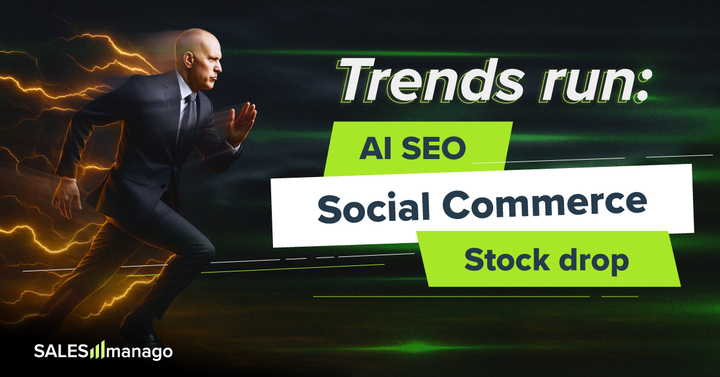
Trends speed up, as we closed the first quarter, we saw shifts in the digital marketing landscape. With the rise of generative AI, the explosive growth of social commerce, and the looming struggles facing global e-commerce giants, it’s clear: the rules of engagement are changing again and faster than ever. This month, we explore three pivotal trends that are reshaping how brands reach and retain their customers: AI's role in driving web traffic, the dominance of social commerce, and the surprising challenges facing the world’s biggest e-commerce players.
Generative AI is now critical in how brands manage web traffic, create personalised experiences, and streamline SEO. With AI-driven content creation tools, predictive analytics, and personalised product recommendations, brands are unlocking the potential to interact with customers in smarter, more intuitive ways. But the real revolution lies in how AI reshapes search and discovery. Nearly 60% of consumers now turn to generative AI instead of traditional search engines to find what they need, signalling a fundamental shift in online behaviour. AI is taking over SEO and web strategies by learning from and adapting to real-time user behaviour, making websites more dynamic and responsive to individual needs than ever before.

What Gen Z pioneered has now gone mainstream - social platforms like Instagram and TikTok have evolved into powerful eCommerce hubs. The path from content consumption to purchasing often happens within the same platform, driven by PRICE (Price, Recommendation, Convenience, Exclusivity). This shift has blurred the lines between entertainment and shopping, with consumers discovering new products while browsing social feeds, engaging with influencers, and participating in live-streamed events.
Social has become a dominant sales channel. With features like shoppable posts and live shopping events, social media has transformed into a dynamic marketplace, and the integration of AI only amplifies this shift.
Despite digital innovation, not all is well in the e-commerce sector. Major players in the sector are facing significant challenges, as demonstrated by the 18% drop in stock values of top e-commerce companies like Amazon and Alibaba. Rising inflation, supply chain disruptions, and increasing operational costs are just the start. These challenges are compounded by changing consumer behaviour and a global shift away from hyper-growth toward more sustainable, localised shopping experiences.
For many of the world's largest e-commerce brands, the past few years of explosive growth are being followed by a period of recalibration. To remain competitive, companies are looking for new ways to adapt—whether that means diversifying their product offerings, improving customer service, or finding innovative ways to streamline operations. While these global giants face a tough road ahead, smaller businesses that focus on hyper-personalisation and niche markets could thrive in the changing environment.



Some of the AI ideas that spent the first half of the year in demos are now showing up in places marketers can measure: real customer journeys, referral reports and the platforms teams already use every day.
Read more
Senpo moved to Manago AI to make better use of customer data across the entire purchase journey. Today, our platform supports one in seven transactions in its online store.
Read more
From campaign email to CRM engine. How Beobasta moved from a Klaviyo-led newsletter rhythm to an AI-powered lifecycle marketing program on the Manago AI platform, covering automation, segmentation, consent capture and buyer exclusion.
Read more